
How to Measure TDS of Your RO System at Home
Ensuring that your RO (Reverse Osmosis) system is delivering safe and clean drinking water is essential for your family’s health. One of the simplest and most effective ways to check water quality is by measuring TDS, which stands for Total Dissolved Solids. TDS indicates the amount of dissolved salts, minerals, and impurities present in water. In this guide, we’ll explain what TDS is, why it matters, and how you can easily measure the TDS of your RO system at home.
What Is TDS and Why Is It Important?
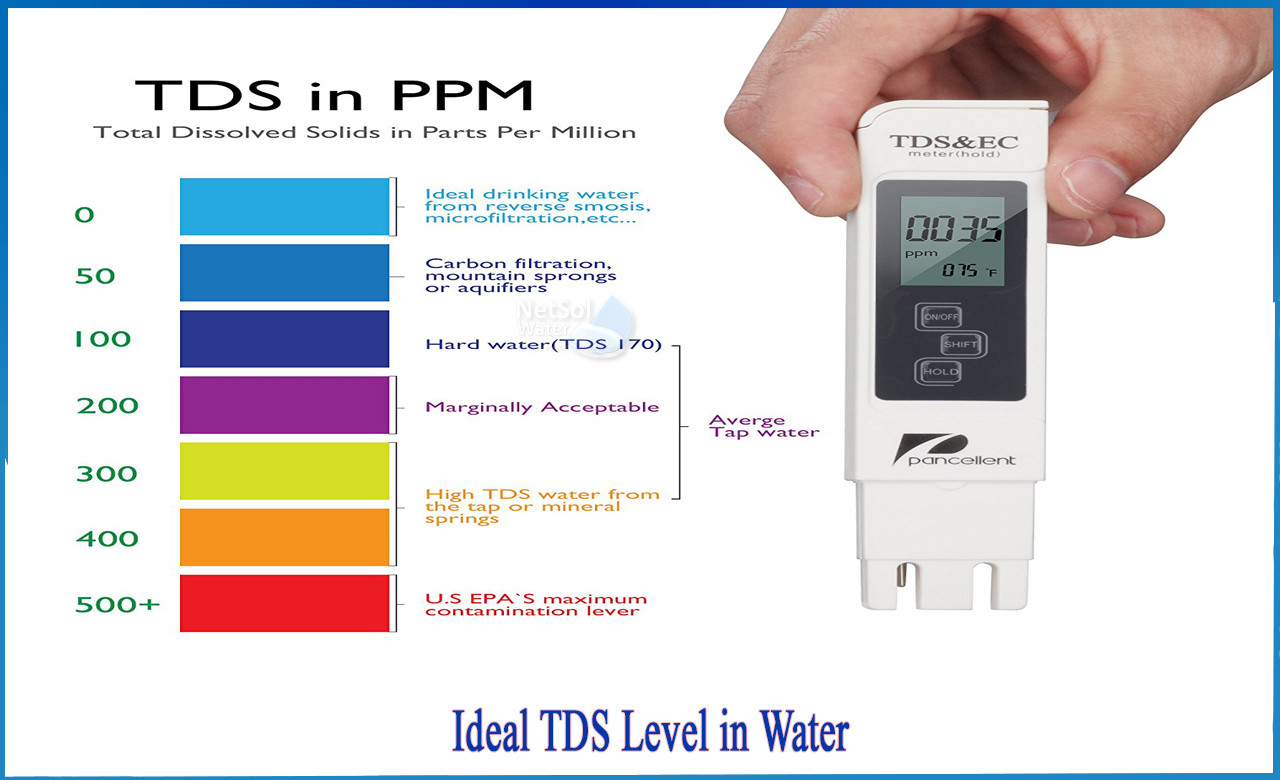
TDS is measured in parts per million (ppm) and represents the total concentration of dissolved substances in water. These may include calcium, magnesium, sodium, chlorides, and other inorganic salts.
- High TDS can affect taste and may indicate poor filtration
- Low TDS usually means better purification
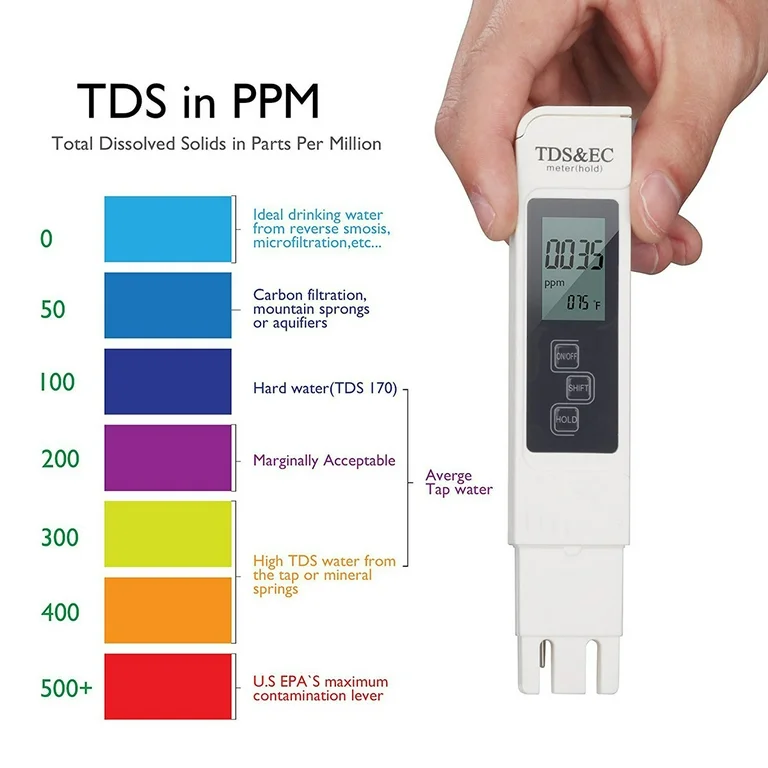
- For domestic drinking water, ideal RO water TDS generally ranges between 50–150 ppm, depending on source water and preferences
Monitoring TDS regularly helps you understand whether your RO membrane and filters are working properly.
What You Need to Measure TDS at Home
You don’t need any technical expertise or lab equipment. Just one simple device:
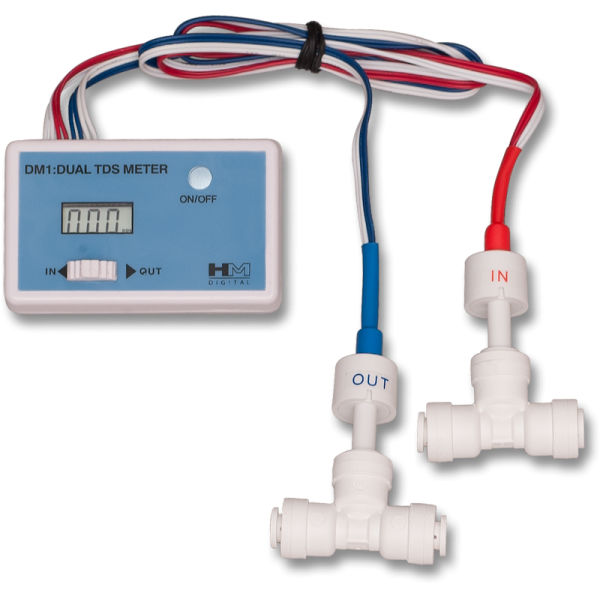
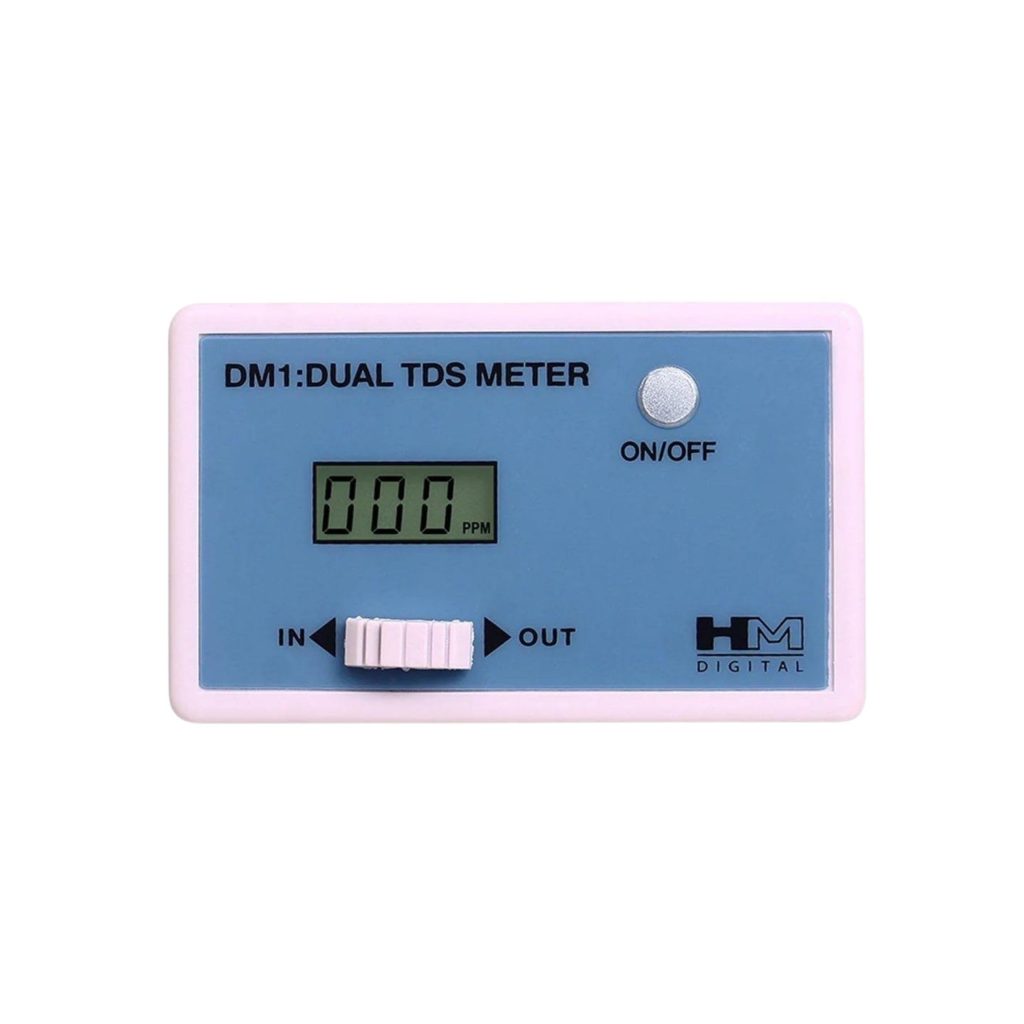
- Digital TDS Meter (easily available online or in RO spare shops)
Most TDS meters are pocket-sized, battery-operated, and very easy to use.
Step-by-Step: How to Measure RO Water TDS
Step 1: Check the TDS of Input (Raw) Water
- Collect tap or borewell water in a clean glass
- Switch on the TDS meter
- Dip the meter probe into the water
- Wait for the reading to stabilize
- Note the TDS value (this is your input water TDS)
Step 2: Check the TDS of RO Purified Water
- Take a glass of RO output water
- Rinse the TDS meter probe with clean water
- Dip the probe into the RO water
- Wait a few seconds and note the reading
How to Understand the Results
- If input water TDS is high (e.g., 800–2000 ppm) and RO water TDS is low (50–150 ppm), your RO system is working well
- If RO water TDS is too high, your RO membrane may need servicing or replacement
- If RO water TDS is too low (below 30 ppm), you may need to adjust the TDS controller to retain essential minerals
How Often Should You Check TDS?
- Once every 15–30 days for domestic RO systems
- Immediately if you notice a change in taste or flow rate
Regular monitoring helps prevent long-term issues and ensures consistent water quality.
Common Mistakes to Avoid
- Not cleaning the TDS meter probe before use
- Measuring hot water (always use room-temperature water)
- Comparing readings without checking input water TDS
Final Thoughts
Measuring TDS at home is quick, affordable, and extremely useful for maintaining your RO system. With just a digital TDS meter and a few minutes, you can ensure your family is drinking safe, healthy water every day. Regular TDS checks also help extend the life of your RO filters and membranes, saving money in the long run.
If you need help with RO servicing, membrane replacement, or professional water testing, ELIXA INDIA is always here to help. 💧
Hi, this is a comment.
To get started with moderating, editing, and deleting comments, please visit the Comments screen in the dashboard.
Commenter avatars come from Gravatar.